How Coastal Humidity Affects Asphalt Shingles

October 20, 2026

Coastal Humidity and Asphalt Shingles in Cocoa Beach, FL: What the Space Coast Environment Does to Your Roof

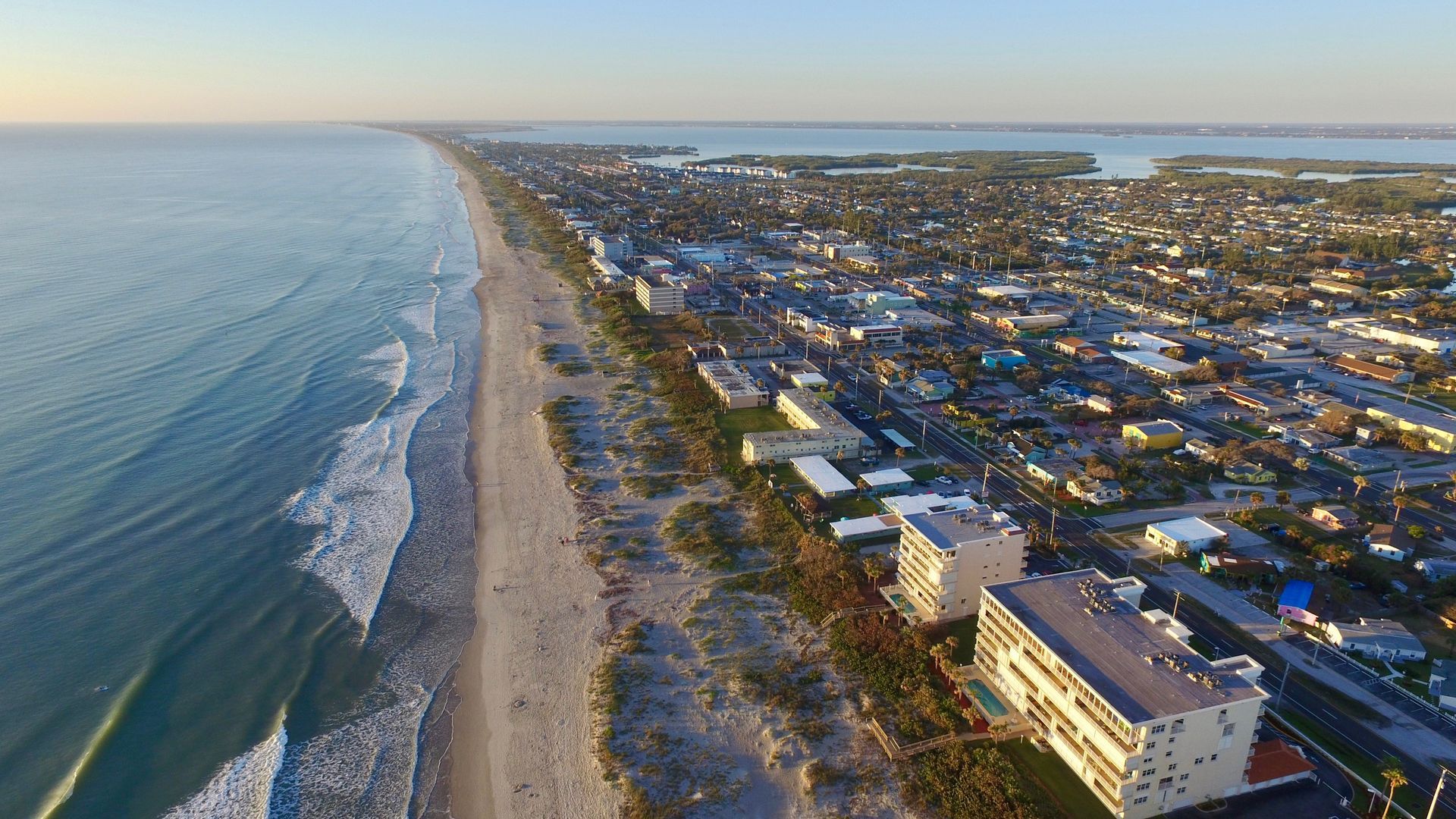
Cocoa Beach homeowners are managing a roofing system in one of the more demanding environments in Florida. The combination of ocean-facing salt air, sustained high humidity year-round, UV intensity at subtropical latitude, and the direct Atlantic exposure that Brevard County barrier island properties face creates a set of conditions that accelerate roofing system aging faster than inland markets experience. Understanding what coastal humidity specifically does to asphalt shingles, and what the early warning signs look like, is the difference between addressing developing conditions and reacting to failures that have already progressed.


Driftline Roofing serves Cocoa Beach and the surrounding Brevard County area with coastal roofing inspection, repair, and replacement. Call (321) 720-1110 or visit Cocoa Beach roofing services for a free inspection.


What Salt Air Does to Asphalt Shingles


Salt air from the Atlantic deposits chloride particles on every exterior surface of a Cocoa Beach home continuously. On asphalt shingles, salt deposits accumulate in the granule layer and on any exposed asphalt surface where granule coverage has thinned. The chloride accelerates the breakdown of the asphalt binder and promotes biological growth conditions that keep algae and moss active on shaded slope sections. A Cocoa Beach shingle roof at 12 years may show more advanced degradation indicators than the same product at 15 years on an inland Florida property.


High Humidity and the Biological Growth Problem


Cocoa Beach humidity stays elevated year-round, which keeps algae and moss growth conditions active on roof surfaces that do not receive full sun exposure. Algae growth on north-facing and shaded slopes produces the dark streaking that is common on older Space Coast roofs and lifts shingle edges slightly, allowing moisture to accumulate beneath the shingle course. Over multiple seasons, this moisture retention under the shingle edge accelerates granule loss and softens the adhesive strip in ways that UV-only aging does not replicate. Call (321) 720-1110 for a free Cocoa Beach coastal roofing inspection.


Moisture and Underlayment: What Coastal Humidity Does Below the Shingles


High ambient humidity in Cocoa Beach affects more than the shingle surface. A roof system that has any gap at flashing joints, pipe boots, or shingle seams allows humid air to reach the underlayment and deck below. In sustained high-humidity conditions, even minor gaps that would not produce a liquid water leak can introduce enough moisture to elevate deck moisture content over time. A Cocoa Beach home with a deck at elevated moisture content from years of humid air intrusion at marginal gaps may not show interior symptoms until the sheathing deterioration is significant.


What to Watch for on a Cocoa Beach Roof


The conditions most worth monitoring on a Cocoa Beach asphalt shingle roof are dark algae streaking on any slope, granule accumulation in gutters that is heavier than expected for the roof age, any visible lifting or separation at shingle edges on the north or ocean-facing slopes, and any rust bleed at metal flashing, drip edge, or gutter hanger locations from the salt air accelerating corrosion. Each of these conditions warrants a professional inspection sooner than the same symptom would on an inland property, because coastal conditions compress the development timeline compared to non-coastal Brevard County properties.


Driftline Roofing: Company Authority


Driftline Roofing is a roofing contractor serving Cocoa Beach and the surrounding Brevard County area with coastal roofing inspection, repair, and replacement. Free inspections. Every assessment covers the specific conditions that coastal humidity and salt air produce on Space Coast properties.


Serving Cocoa Beach and Brevard County


Cocoa Beach homeowners with a roof showing any of the above symptoms, or who have not had a professional inspection in the past 12 months, can schedule a free coastal roofing inspection with Driftline Roofing.


Schedule a Free Cocoa Beach Roof Inspection


For a free coastal roofing inspection in Cocoa Beach, call (321) 720-1110 or contact Driftline Roofing online.


Frequently Asked Questions About Coastal Humidity and Roofing in Cocoa Beach, FL
  • How does coastal humidity affect asphalt shingles in Cocoa Beach differently than inland Florida?

    Cocoa Beach asphalt shingles face salt air chloride deposits that accelerate asphalt binder breakdown and promote biological growth, sustained humidity that keeps algae and moss active year-round, and direct Atlantic exposure that delivers wind-driven moisture from a different angle than mainland properties experience. These combined conditions compress practical service life compared to inland Brevard County properties with the same product installed at the same time.


  • What is the black streaking on my Cocoa Beach roof?

    The dark streaking common on Cocoa Beach roofs is primarily caused by Gloeocapsa magma algae, which feeds on the limestone filler in asphalt shingles and produces a dark pigment that creates streaking patterns on shaded and north-facing slopes. Coastal humidity in Cocoa Beach keeps algae growth conditions active year-round. The algae lifts shingle edges slightly and holds moisture against the surface, accelerating granule loss at affected sections over multiple seasons.


  • How does salt air affect roofing metal components in Cocoa Beach?

    Salt air from the Atlantic accelerates corrosion of metal roofing components on Cocoa Beach properties, including drip edge, step flashing, gutter hangers, pipe boot flanges, and ridge vent end caps. Galvanized steel components deplete their zinc coating faster in coastal conditions and rust at the exposed steel beneath. Driftline Roofing assesses all metal components during Cocoa Beach inspections and recommends corrosion-resistant replacements where coastal conditions have progressed the standard materials.


  • How often should a Cocoa Beach roof be inspected given the coastal humidity?

    Annual inspection is the minimum for Cocoa Beach asphalt shingle roofs. Coastal conditions compress the development of degradation indicators compared to inland properties, and annual inspection captures developing conditions while they are still repair scope. Post-storm inspections after named tropical systems or significant wind events supplement the annual schedule. Properties on the barrier island with direct Atlantic exposure benefit from two inspections per year given the additional salt air and wind loading.


  • Can Driftline Roofing address algae and biological growth on my Cocoa Beach roof?

    Yes. Driftline Roofing provides roof cleaning and algae treatment as part of coastal roofing maintenance for Cocoa Beach properties. Treatment addresses the active growth and the Driftline inspection identifies whether the underlying shingle condition warrants additional attention beyond cleaning. Recurring algae growth on a Cocoa Beach roof that has been treated multiple times may indicate that the shingle granule coverage has thinned to a point where the surface no longer resists biological colonization.


  • Does Driftline Roofing serve all of Cocoa Beach and Brevard County?

    Yes. Driftline Roofing serves Cocoa Beach and the surrounding Brevard County area with coastal roofing inspection, repair, and replacement. Call (321) 720-1110 to confirm service for a specific Cocoa Beach, FL address or to schedule a free annual coastal roofing inspection.


Recent Posts

October 20, 2026
End of summer roof maintenance checklist for West Melbourne, FL homeowners. Driftline Roofing explains what to check after Florida storm season before fall weather arrives.
October 20, 2026
Should you upgrade to metal roofing before another storm season in Vero Beach, FL? Driftline Roofing explains when metal makes sense and what the diagnostic signs are
October 20, 2026
Is your Palm Bay, FL roof ready for peak hurricane season? Driftline Roofing explains what to check, what to fix, and what actually protects your home in a major storm.
By Driftline Roofing • August 26, 2026
Learn what common roof symptoms can mean in Southern Volusia County, FL, including leaks, stains, missing shingles, flashing issues, and when repair is needed.
August 26, 2026
Learn what a new roof installation in Indian River County, FL should include, from inspection and materials to permitting, installation, cleanup, and final review.
Metal Roofing Brevard County FL
August 26, 2026
Compare metal roofing options for Brevard County, FL homes, including profiles, finishes, durability, coastal performance, and factors that affect long-term value.
Roof Inspections Melbourne FL
August 26, 2026
Roof showing signs of trouble in Melbourne, FL? Learn when an inspection should not wait, what warning signs matter, and what a professional assessment should cover.
By Driftline Roofing • August 15, 2026
Not sure whether to repair or replace your Florida roof? Learn the key signs, cost factors, and timing considerations that can help you make the right call.
By Brandon Rinehart • August 15, 2026
Learn how Florida roof insurance claims typically work, what homeowners should document, and what to expect during inspections, estimates, and the claims process.
By Brandon Rinehart • August 15, 2026
Compare metal roofing and asphalt shingles for Florida homes, including lifespan, cost, weather performance, maintenance, and which option may fit your home best.
Show More