
Asphalt Shingle · Metal · Tile

RESIDENTIAL ROOF SYSTEMS IN MELBOURNE, FL

Find the roof that fits your home, your priorities, and life on Florida’s Space Coast. Driftline helps you compare asphalt shingle, metal, and tile options with clear guidance on the complete installation.

Owner-Led Project Oversight Dedicated Roof-System Crews Free Inspections & Estimates
Three materials. Your home.

CHOOSE THE LOOK. UNDERSTAND THE SYSTEM.

A new roof changes your home’s appearance and creates a long-term maintenance commitment. Explore the differences here, then visit each material page for a closer look at Driftline’s approach.

Architectural asphalt shingle roof shown in Driftline Roofing’s residential roofing gallery SYSTEM 01
Versatile style · Practical value

Asphalt Shingle Roofing

Architectural shingles bring dimension and a broad color selection to a home. They are a practical starting point when you want to compare appearance, product options, and the complete replacement scope.

  • TAMKO and IKO system options
  • Dimensional profiles for varied home styles
  • Product-specific warranty paths

Before you choose: Ask about starter, ridge components, ventilation, and the accessories included in your proposal.

Explore Asphalt Shingle Roofing
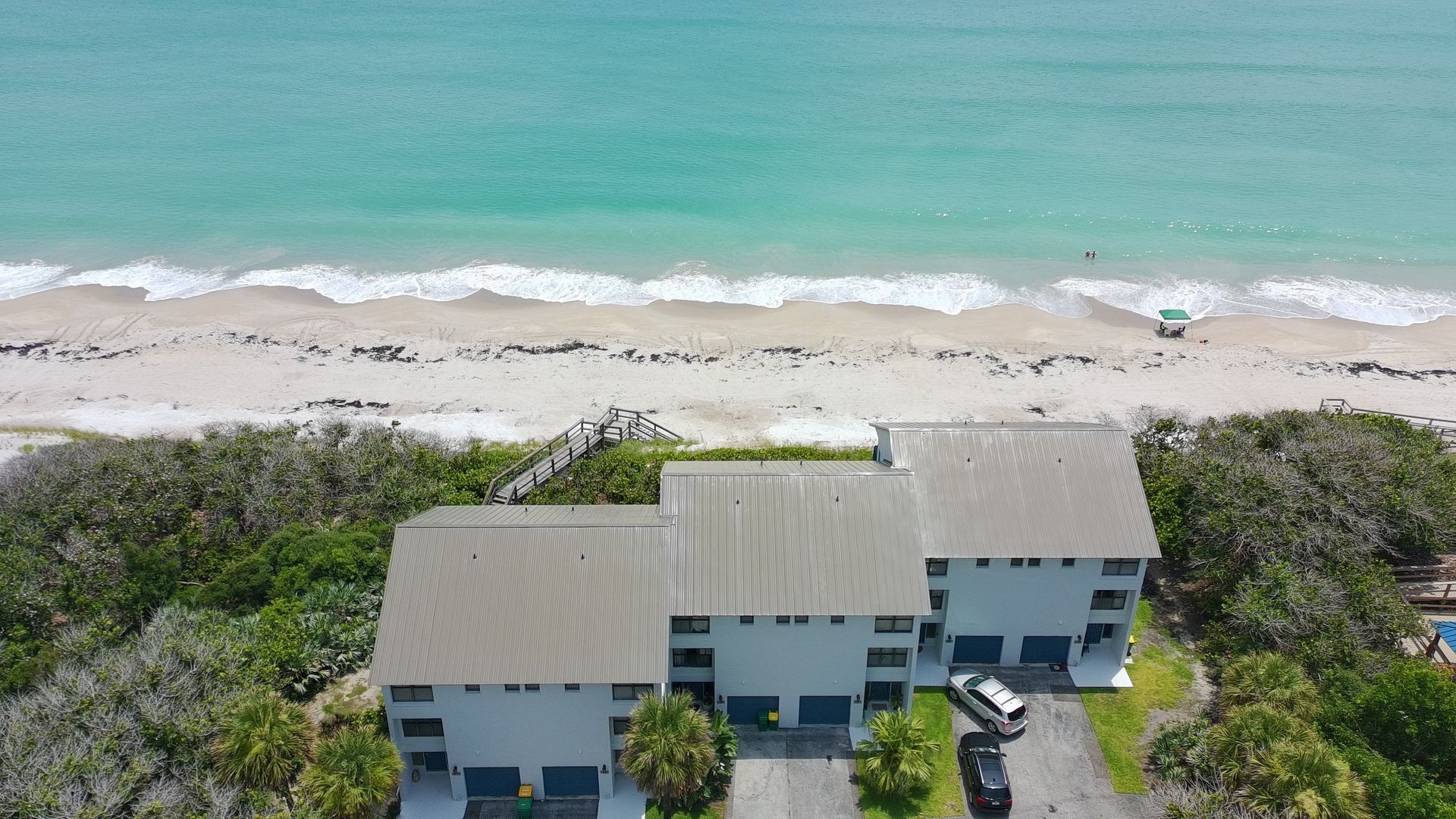
Standing seam metal roof shown on Driftline Roofing’s website SYSTEM 02
Clean lines · Coastal considerations

Metal Roofing

Standing seam metal creates a crisp roofline with concealed attachment. Driftline also evaluates specialty profiles for homeowners who want a different look. The metal, finish, and attachment details should suit the property’s exposure.

  • Standing seam and specialty profiles
  • Metal-specific crews and flashing details
  • Finish selection for the property’s location

Before you choose: Ask how the chosen system addresses salt exposure, panel movement, and future maintenance.

Explore Metal Roofing
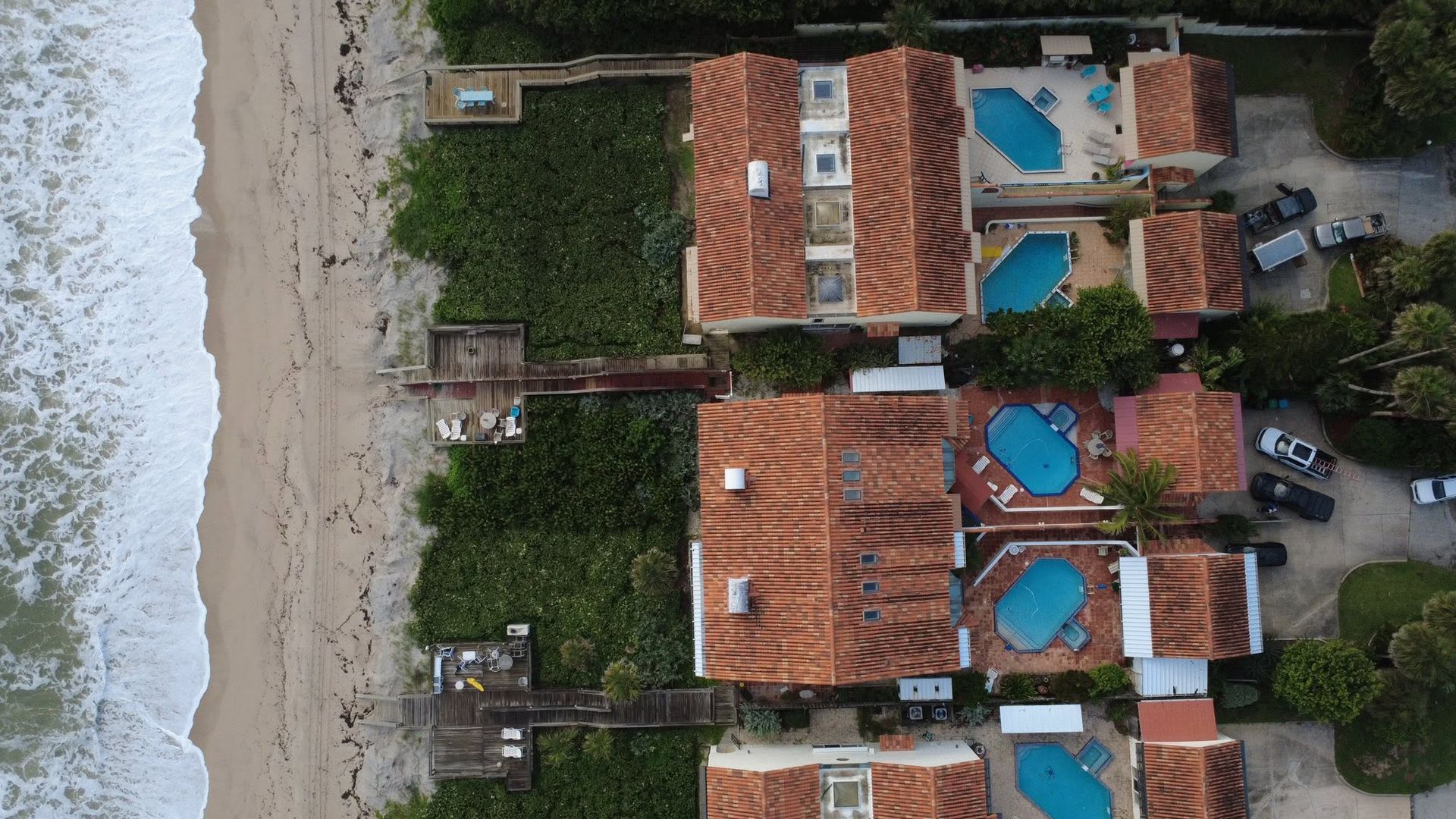
Tile roofing shown in Driftline Roofing’s Florida residential roofing gallery SYSTEM 03
Distinctive profiles · Florida character

Tile Roofing

Concrete and specialty tile profiles offer a distinctive finish for Florida homes. Choosing tile also means evaluating the structure, underlayment, attachment, and the details that carry water off the roof.

  • Concrete and selected specialty profiles
  • Structural compatibility reviewed
  • Tile and underlayment considered together

Before you choose: Ask what is included beneath the tile and how future repairs and access will be handled.

Explore Tile Roofing
Make the comparison useful

ASK BETTER QUESTIONS. CHOOSE WITH CONFIDENCE.

Use these questions when reviewing proposals. The strongest option for your home depends on what is included in the work, how the system fits the property, and what ownership will involve.

Residential roof systems at a glance
Decision point Asphalt shingle Metal Tile
Design direction Dimensional texture and familiar neighborhood styles. Straight standing seam lines or selected specialty profiles. Flat, barrel, and other architectural profiles.
What to compare in the quote Product line, accessory package, ventilation, and deck allowance. Panel profile, metal and finish, attachment, and custom trim. Tile profile, structural suitability, underlayment, and fastening.
Maintenance conversation How damaged shingles and flashing will be evaluated. How seams, transitions, finishes, and attachment points will be serviced. How broken tiles, underlayment concerns, and roof access will be handled.
A useful question Which complete shingle system does this price include? Is this metal and finish appropriate for my property’s exposure? What condition are the layers below my tile in?

Project costs and system suitability require an inspection and a written scope. On smaller screens, swipe across the table to compare all three options.

The parts you rarely see

A ROOF IS MORE THAN ITS SURFACE.

Before choosing a color or profile, make sure the proposal addresses the parts of the assembly that keep the installation connected. These six conversations belong in every material comparison.

Start with the deck

The existing deck provides the base for the new assembly. The proposal should explain how damaged decking will be addressed if it is uncovered.

Follow the water

Ask how underlayment, roof edges, valleys, walls, and penetrations work together. Each transition belongs in the installation plan.

Match the attachment

Shingle fastening, metal clips, and tile attachment are different systems. The installation scope should match the selected products.

Check the attic

Include ventilation in the conversation. Changing the roof covering alone does not settle questions about attic airflow or moisture.

Plan the transitions

Porches, additions, solar equipment, and changes in roof slope can affect the project. Identify those connections before materials are ordered.

Read the warranty

Compare product coverage with workmanship coverage. Ask for the applicable documents, eligibility requirements, and exclusions in writing.

Start with your existing roof

A CLEAR PLAN BEFORE YOU COMMIT.

Bring your questions, photos of styles you like, and any concerns about the current roof. Driftline will help you narrow the choices around the property and the project you actually need.

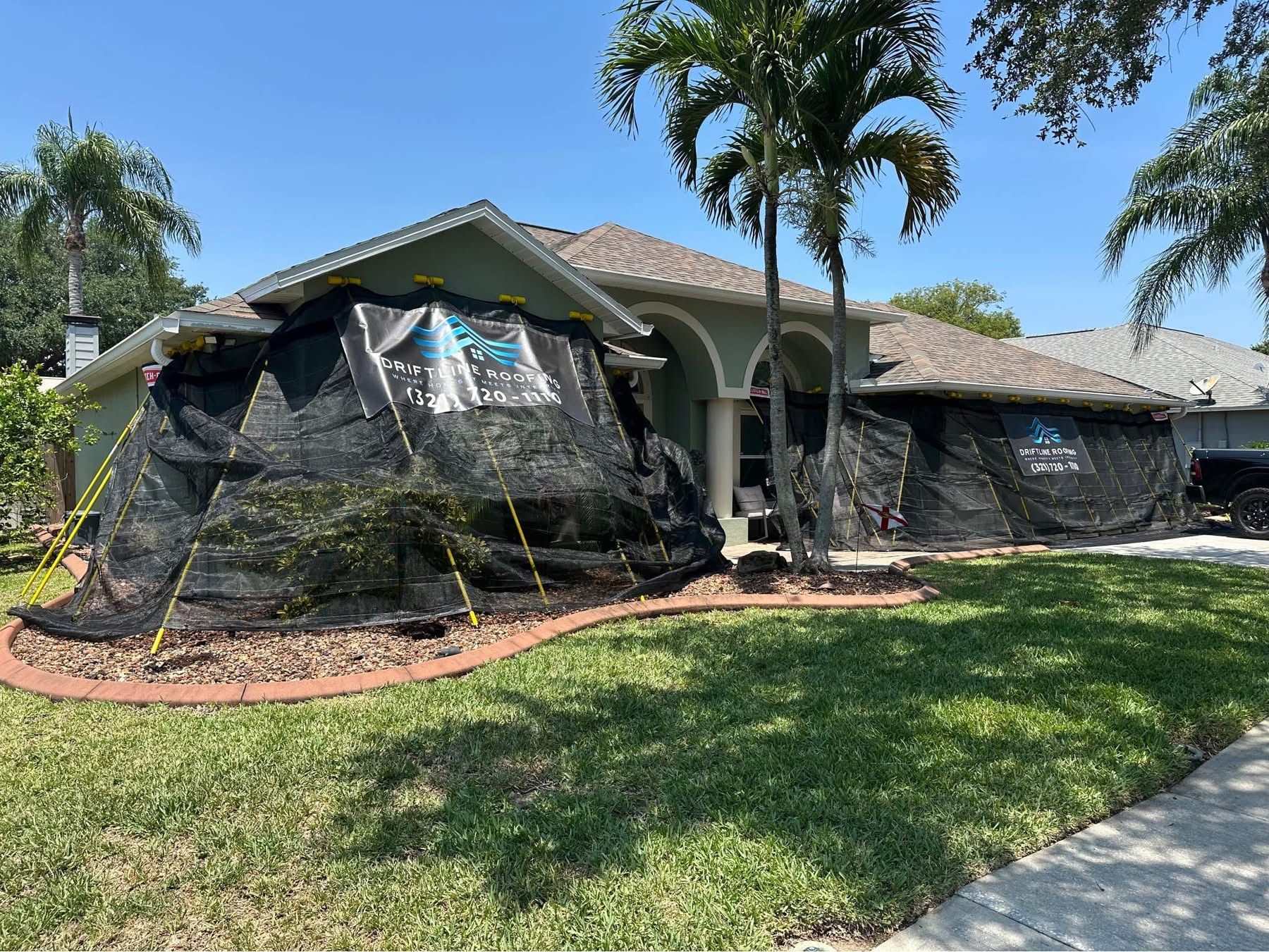
Already planning a replacement? Review how the installation, property protection, and final walkthrough fit together.

Melbourne & the Space Coast

Driftline serves homeowners across Brevard and Indian River counties, including Melbourne, Palm Bay, Cocoa, Satellite Beach, Sebastian, and Vero Beach. Share your address to confirm coverage and scheduling.

Ask about your property
  1. Inspect the existing roof

    Review roof condition, geometry, leak history, and the changes you are considering.

  2. Compare complete options

    Discuss materials, colors, installation scope, upkeep, and written warranty terms together.

  3. Confirm the project plan

    Review the proposal, property access, protection, scheduling, and the next steps before work begins.

Roof system questions

KNOW WHAT YOU’RE CHOOSING.

You do not need to have every material decision made before calling. Start with the roof you have and the questions you want answered.

Which roof system is best for my home?

Start with the home’s roof design, condition, location, and your priorities. Bring any community design requirements and material preferences to the inspection. Driftline can then compare suitable options and the work each would require.

Can I switch from shingles to metal or tile?

A material change needs a project-specific review. Structure, roof slope, transitions, and the selected system’s requirements can affect the scope. Have those questions evaluated before committing to a material or comparing installation prices.

What should I compare besides the material price?

Compare the full written scope: tear-off, decking allowances, underlayment, flashing, ventilation, attachment, cleanup, and warranties. A lower price may describe a different scope, so ask each contractor to explain what is included.

Does a longer product warranty mean the whole roof is covered?

No. Product and workmanship warranties cover different things and can have different conditions. Review the actual documents for the system in your proposal, including exclusions, registration requirements, and who handles a claim.

Do I need to choose a material before scheduling an inspection?

No. Tell Driftline what is on the home now, what concerns you, and which looks you prefer. An inspection is a useful starting point even if you are still deciding between repair, replacement, and different materials.

Can one home need more than one roofing system?

Yes. A main roof, porch, or addition may have different slopes and details. Ask Driftline to evaluate each roof area and explain how the materials and transitions will work together in the proposed scope.

Let’s look at your options

YOUR HOME. THE RIGHT ROOFING PLAN.

Schedule a free inspection to discuss asphalt shingle, metal, or tile roofing with Driftline. Get a recommendation grounded in your home’s condition and your project goals.